Choosing the Right Professional HVAC Installer for Long-Lasting Home Comfort
A new cooling system is one of those purchases that can quietly shape daily life for the next decade or more. When it is installed well, the house feels steadier, quieter, and easier to live in. Rooms cool at a similar pace, humidity stays under control, utility bills make more sense, and the equipment does not seem to work nearly as hard. When it is installed poorly, even a high-quality system can feel disappointing from the start.
That difference is why the installer matters as much as the equipment. Homeowners often spend a lot of time comparing brands, warranties, and efficiency ratings, then treat installation like a background task. In practice, the person doing the work has a direct hand in whether a new AC system delivers the comfort and lifespan promised on paper. A professional HVAC installer is not just connecting parts. They are matching the system to the house, the ductwork, the climate, and the real habits of the people living there.
Why installation quality changes everything
An air conditioner is a system, not a single appliance. The condenser outside, the evaporator coil, the air handler or furnace, the thermostat, the HVAC Contractor drain line, the refrigerant charge, and the ductwork all need to work together. If one piece is off, the whole system suffers. I have seen brand-new units fail to deliver enough comfort because the airflow was poor, the refrigerant charge was wrong, or the ducts were never properly sealed. The equipment might still run, but it will run harder, longer, and less efficiently than intended.
The effects are not always dramatic on day one. Sometimes the house just never feels quite right. A bedroom stays warm. The system short cycles. The thermostat says 74 degrees, yet the air still feels sticky. Over time, those small issues turn into wear on the compressor, the blower motor, and the electrical components. That is where the real cost shows up. A cheaper installation can become a more expensive system over the life of the unit.
The best installers understand that comfort is measured in details. They think about airflow per room, return air placement, insulation quality, and the size of the home. They know that a new AC system should fit the building, not simply replace the old one with the same tonnage because that is what was there before. Older homes, additions, sunrooms, and leaky duct systems all change the calculation.
What a professional HVAC installer actually does
A lot of homeowners hear the phrase professional HVAC installer and picture someone putting equipment in place and tightening a few fittings. The real work is more involved. A careful installer starts before the equipment arrives. They inspect the existing setup, check the condition of the ductwork, evaluate airflow restrictions, and determine whether the home needs more than a simple swap.
That evaluation matters especially for AC installation Winter Haven FL, where heat, humidity, and long cooling seasons put steady pressure on a system. In a climate like that, an undersized or poorly set up unit can fall behind fast. The right installer accounts for local conditions instead of relying on a generic replacement estimate.
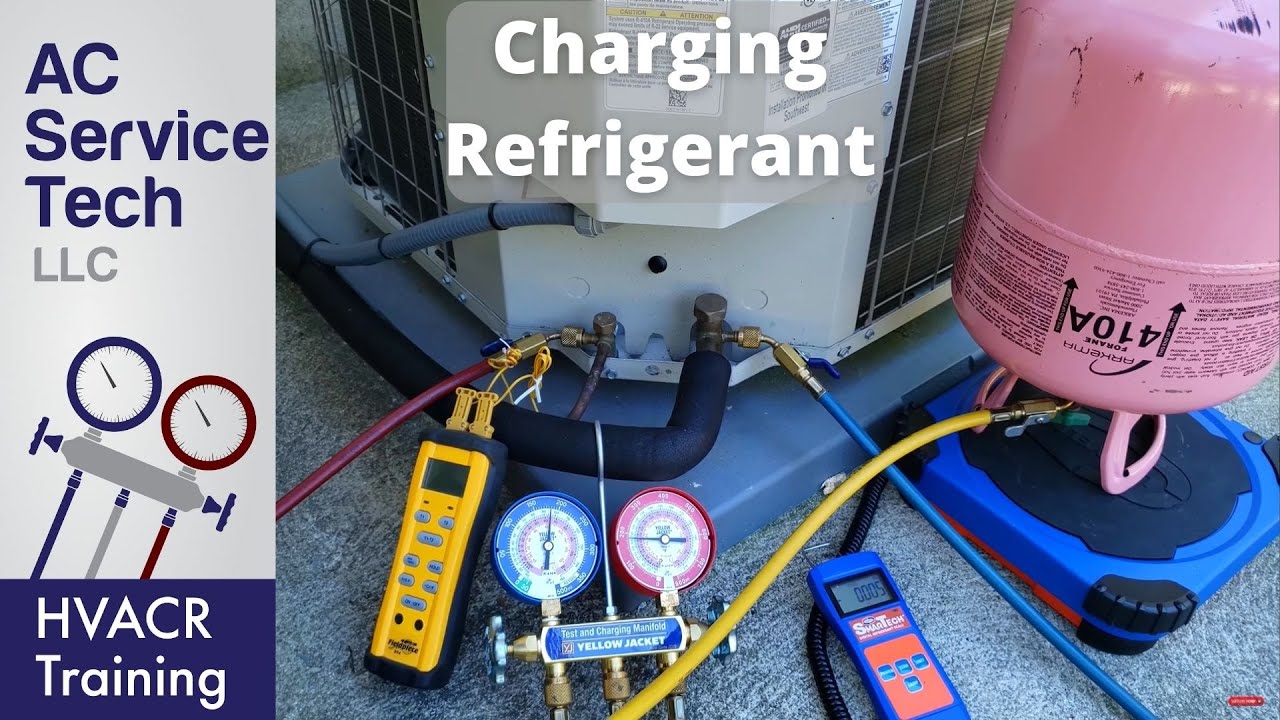
A thorough air conditioner installation usually includes a load calculation, system sizing, line-set inspection or replacement if needed, electrical checks, drain management, thermostat setup, and a commissioning process after the unit is started. Commissioning is where many rushed jobs slip. The installer should verify airflow, measure temperature split, confirm refrigerant levels, check for leaks, and make sure the equipment is operating within manufacturer specifications. Without those steps, the homeowner is left hoping the system is correct. Hope is not a reliable commissioning strategy.
The signs you are dealing with the right company
Experience is useful, but not all experience is equal. Some companies have been in business for years and still approach installation like a volume game. Others have a smaller footprint but a stronger process. The difference often shows up in how they communicate before the job begins.
A dependable installer asks questions that go beyond equipment preference. They want to know which rooms feel uncomfortable, whether anyone in the home is sensitive to humidity, how often filters are changed, and whether the current system has had recurring repair issues. They also explain what they see in plain language. If the ducts are undersized, they say so. If the return air path is weak, they explain what that means for performance. If the home would benefit from zoning or a better thermostat location, they https://icecoolinghvac.com/residential-hvac-services-in-winter-haven-fl/ do not hide that behind jargon.
Written estimates also reveal a lot. A professional proposal should identify the model numbers, labor scope, warranty terms, and any additional work that may be needed. If the estimate is vague, that usually becomes a problem later. Homeowners deserve to know whether the quote includes permits, electrical upgrades, drain line work, pad replacement, or thermostat changes. Clarity at the start prevents arguments after the installation is underway.
Matching the system to the home, not the sales pitch
One of the most common mistakes is assuming bigger is better. It is not. An oversized unit may cool the air quickly, but it often shuts off before it removes enough humidity. The house feels clammy, and the system cycles so frequently that components wear faster. An undersized unit runs constantly and still leaves the home uncomfortable during peak heat.
A professional HVAC installer uses sizing methods that account for square footage, insulation, window exposure, ceiling height, duct condition, and local weather. That is especially important when replacing an older system in an older home. Houses change over time. Additions get built. Attics get insulated. Windows are upgraded. Someone may have sealed off a room or opened a wall. The old unit may have been right for the house ten years ago and wrong for it now.
Good sizing also affects dehumidification. In hot, humid regions, the ability to manage moisture is as important as lowering temperature. A properly matched system can run long enough to remove humidity without wasting energy. That balance is one reason a new AC system can feel so much better than the old one even when the thermostat setting is the same.
Credentials matter, but process matters more
Licensing, insurance, and manufacturer training all matter. They protect the homeowner and show that the company takes the trade seriously. Still, credentials alone do not guarantee a careful installation. A skilled installer follows process even when no one is watching.
That process usually starts with preparation. The work area should be protected, the old equipment removed cleanly, the lines and electrical connections inspected, and the new components set level and secured. During the installation, the crew should keep the work organized rather than improvising. Refrigerant handling must be precise. Sealed joints must be solid. Drain lines should be pitched correctly so condensation does not back up into the system or the home.
One detail that separates careful installers from hurried ones is how they treat the startup phase. If the system is turned on and everything seems okay, that is not enough. Proper startup means testing, adjusting, and verifying. If the static pressure is too high, the blower settings may need to change. If the refrigerant charge is off, it should be corrected. If the thermostat is placed in a poor location, the installer should not pretend that it is ideal. The goal is not to finish quickly. The goal is to finish correctly.
Questions worth asking before you hire
Homeowners often feel pressure to make a quick decision once the old system fails, especially during summer. Even so, a few direct questions can reveal whether the installer is truly qualified or just comfortable selling. The answers do not need to sound polished. They need to sound specific.
Ask how the company determines system size, what is included in the installation price, whether they perform a startup and commissioning process, and how they handle duct concerns if they find them. If the project involves air conditioner installation in a home with older ductwork, ask whether the ducts will be tested or inspected before installation. A new condenser connected to neglected ducts will not solve a comfort problem on its own.
It is also worth asking who will actually perform the work. Some companies send their most experienced person to make the sale and a different crew to do the installation. That is not automatically a problem, but the homeowner should know who is responsible. On larger jobs, ask whether a lead technician will be present throughout the project and who will confirm the final settings. Accountability matters more than sales language.
A short checklist that separates good from careless
A homeowner does not need to become an HVAC expert to make a smart choice. These five checks usually reveal enough to judge the quality of an installer.
- They inspect the home, not just the old equipment.
- They explain sizing and comfort in plain language.
- They provide a written scope with clear labor details.
- They perform startup testing after installation.
- They stand behind their work with a real warranty and reachable service team.
If a company hesitates on several of those points, that is a warning sign. The best installers welcome those questions because they know the answers demonstrate professionalism.
What can go wrong when installation is rushed
Rushed installation shows up in patterns. The system may cool unevenly. The fan may sound louder than expected. The drain line may clog sooner than it should. The thermostat may call for cooling constantly, yet the house still feels warm in the afternoon. These are not always equipment failures. More often, they are setup failures.
One common problem is poor airflow. If the return is too small, the filter is restrictive, or the ductwork is not balanced, the unit cannot breathe properly. Another problem is refrigerant issues. Too little or too much refrigerant can both reduce performance and damage the compressor over time. Electrical issues are another source of trouble. Loose connections, improper breaker sizing, or poorly secured wiring can create nuisance trips or more serious failures. These are avoidable mistakes, which is why they are so frustrating.
Humidity problems deserve special attention. A house in a warm climate can feel uncomfortable even when the temperature is technically correct. If an installer focuses only on temperature and ignores moisture removal, the homeowner may think the system is underperforming when the real issue is setup. That is why a seasoned professional HVAC installer looks at the whole comfort picture, not just the thermostat reading.
The value of local knowledge
Local knowledge is often underestimated. Climate affects installation choices, equipment settings, and service expectations. In a place where cooling season is long and humidity is a constant battle, installers have to think differently than they would in a dry, mild region. The same system can behave very differently depending on weather patterns, home construction, and daily runtime.
That is one reason homeowners seeking AC installation Winter Haven FL should pay attention to whether the installer understands the local climate. A company that works in the area regularly will know what kinds of comfort complaints are most common, which duct problems show up in older homes, and how to set expectations for long-term performance. They will also be better prepared for local permitting, code requirements, and service realities.
Local experience does not replace technical skill, but it strengthens it. A team that has seen hundreds of homes in the same region can spot patterns faster and avoid generic recommendations. That often leads to better results, especially in houses with humidity issues or older duct systems.
How to think about price without getting trapped by it
Price matters, but it is only meaningful when compared against what is included. Two quotes can look similar and produce very different outcomes. One may cover a full installation, refrigerant charging, startup testing, disposal of the old unit, and minor duct modifications. Another may cover only the bare equipment swap and leave important work as surprise extras.
Cheap installations can be expensive in disguise. If the system is not sized well or the startup is not done carefully, the homeowner may pay more in energy use, repairs, and reduced equipment life. On the other hand, the highest price is not automatically the best value. Some companies lean on brand prestige or glossy sales presentations without adding much real installation quality.
The right question is not simply what the job costs. It is what the installer is doing to protect the performance of the equipment over time. If a quote includes real diagnostics, careful setup, and a clear warranty, that value may easily outweigh a slightly lower bid from a rushed crew.
The kind of installer who earns repeat business
The companies people recommend years later are usually not the ones with the flashiest ads. They are the ones that answer the phone, show up when promised, and leave the system performing as expected. Homeowners remember whether the house felt better after the job and whether the installer took the time to explain what was done.
That kind of trust is built through small behaviors. Leaving the workspace clean. Labeling the system clearly. Walking the homeowner through the thermostat settings. Explaining filter size and replacement timing. Returning for a follow-up if a question comes up after the first few days of operation. Those details do not show up in a product brochure, but they are exactly what make an installation feel professional.
A new AC system should not feel mysterious. Homeowners should know what they bought, why it was chosen, and how to care for it. That is what separates a transaction from a real service relationship. The right installer leaves behind more than cool air. They leave behind confidence that the system was matched to the house with care.
Choosing the right professional HVAC installer is ultimately about protecting comfort, avoiding preventable repairs, and getting the full life out of a major home investment. Good equipment matters, but good installation turns equipment into comfort. When that work is done carefully, the house feels more settled through the hottest months, the system runs more efficiently, and the homeowner has fewer reasons to think about the unit at all. That is usually the best sign of all.
Phone:
(863) 247-0271
Website:
icecoolinghvac.com
Indoor Climate Experts
296 Lake Smart Circle,
Winter Haven,
FL
33881